Industrial tanks are easy to forget about when everything is working as it should. They sit in the background, holding water, chemicals, wastewater, fuel, oils or other liquids that keep a facility running. But when the inside of a tank starts to break down, the problems can become serious fast.
That is why tank lining services in Melbourne are important for many industrial facilities. A proper tank lining helps protect the internal surface from corrosion, chemical damage, leaks and everyday wear. It is not just about keeping the tank in good shape. It is also about helping the site avoid costly downtime and unexpected repairs.
Why Tank Linings Matter
A tank lining acts as a protective barrier between the tank surface and whatever is stored inside it. Without that barrier, the tank may be exposed to moisture, chemicals, abrasion and rust.
Over time, these issues can weaken the tank. What starts as a small patch of corrosion or surface damage can slowly turn into leaks, contamination or structural problems.
For busy facilities, that is the last thing anyone wants. A damaged tank can interrupt operations, create safety concerns and lead to expensive maintenance.
Corrosion Can Start Small
Corrosion does not always look dramatic at first. It might begin as small rust spots, pitting, stains or worn areas inside the tank. These signs can be easy to miss, especially if the tank is not inspected regularly.
The problem is that corrosion can spread if the surface is left exposed. Moisture, chemicals and stored liquids can continue wearing away at the tank until the damage becomes harder to manage.
A corrosion-resistant tank lining helps reduce this risk by giving the tank a stronger layer of protection.
Chemicals Can Be Harsh on Tank Surfaces
Many industrial tanks hold materials that can be tough on ordinary surfaces. Chemicals, oils, wastewater, cleaning agents and other liquids can slowly break down an unprotected tank.
This is where the right chemical-resistant tank coating matters. The lining needs to suit what the tank holds, how often it is used and the conditions it is exposed to.
Not every tank needs the same coating. A water tank, chemical tank and wastewater tank may all need different types of protection.
A Good Lining Can Help Reduce Downtime
When a tank fails, the impact can go beyond the tank itself. Production may need to stop. Repairs may need to be organised quickly. Staff may need to work around the issue until the tank is safe to use again.
Good tank protection can help reduce the chance of those problems. It can make the tank more durable, easier to maintain and better prepared for daily use.
For industrial facilities, this kind of prevention is often much easier to manage than emergency repairs.
Surface Preparation Makes a Big Difference
A tank lining is only as good as the surface underneath it. If the inside of the tank is dirty, rusty, damp or poorly prepared, the coating may not bond properly.
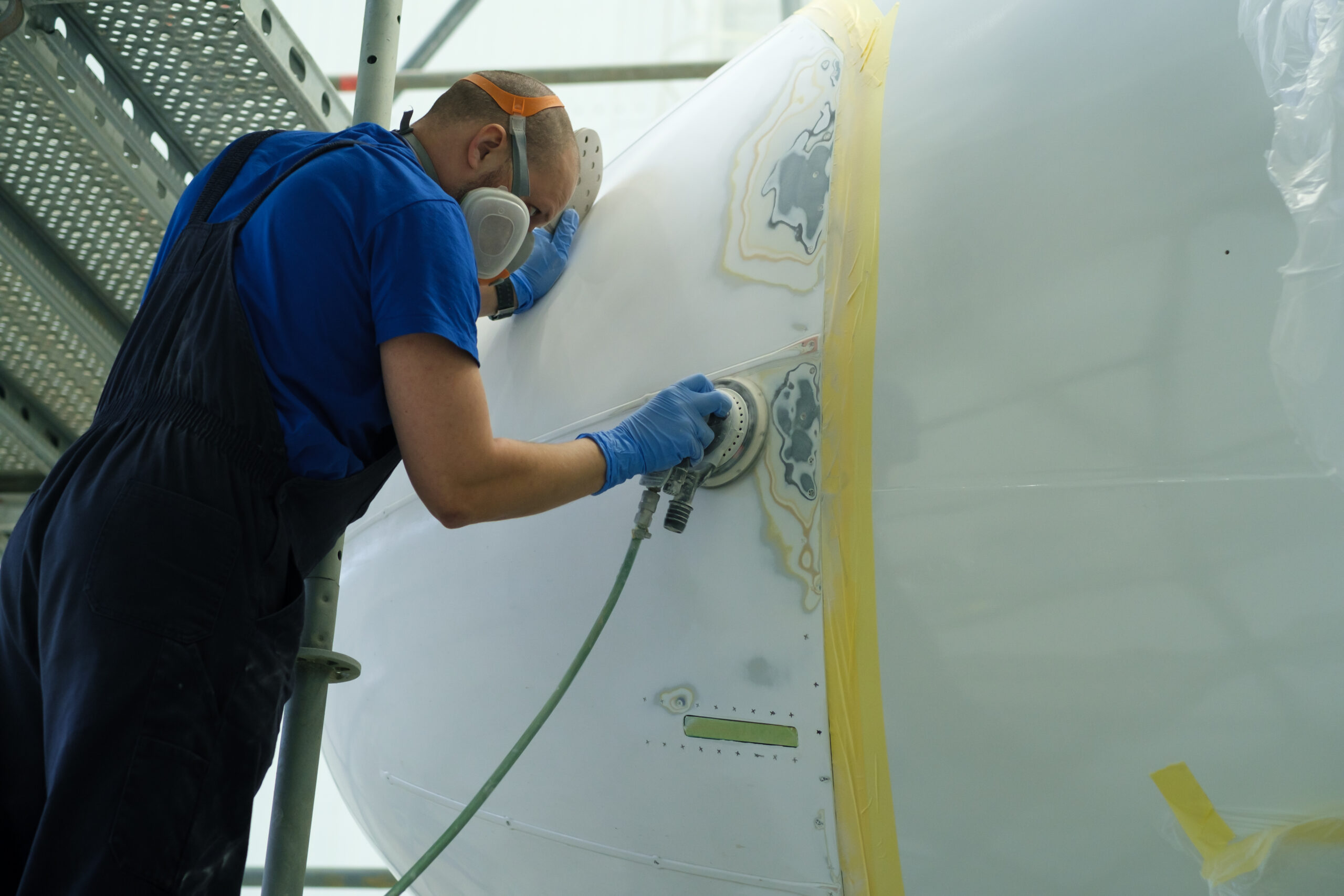
Proper preparation can include cleaning, removing old coatings, treating rust and making sure the surface is ready before the lining is applied. It takes time, but it is one of the most important parts of the job.
A well-prepared surface gives the lining a better chance of lasting and performing properly.
When a Tank Lining May Need Attention
Tank linings do not last forever. They can wear down over time, especially in harsh industrial environments.
Some signs to look out for include rust marks, peeling, bubbling, staining, leaks, rough surfaces or changes in the quality of the stored liquid. These issues do not always mean the tank is beyond repair, but they are worth checking early.
The sooner a problem is found, the easier it may be to fix.
Choosing the Right Tank Lining
The right lining depends on the tank itself. What does it store? Is the liquid corrosive? Is the tank exposed to weather? Does it handle heat, pressure or abrasive materials? How long can the tank be taken out of service?
These details all matter. Choosing a generic coating without considering the tank’s real conditions can lead to poor performance and more maintenance later.
This is why professional assessment is important when choosing industrial tank lining in Melbourne.
Final Thoughts
Industrial tanks work hard, even if they are not always at the forefront of mind. Without the right internal protection, corrosion, leaks and chemical damage can build up over time.
Tank lining services can help facilities protect important tanks, reduce maintenance issues and keep operations running more smoothly. With proper surface preparation and the right coating system, a tank can be better protected against the conditions it faces every day.
Melbourne Extreme Coatings provides protective coating solutions for tanks, equipment and industrial surfaces across Melbourne. Their work focuses on preparing surfaces properly and applying durable coatings suited to demanding environments.