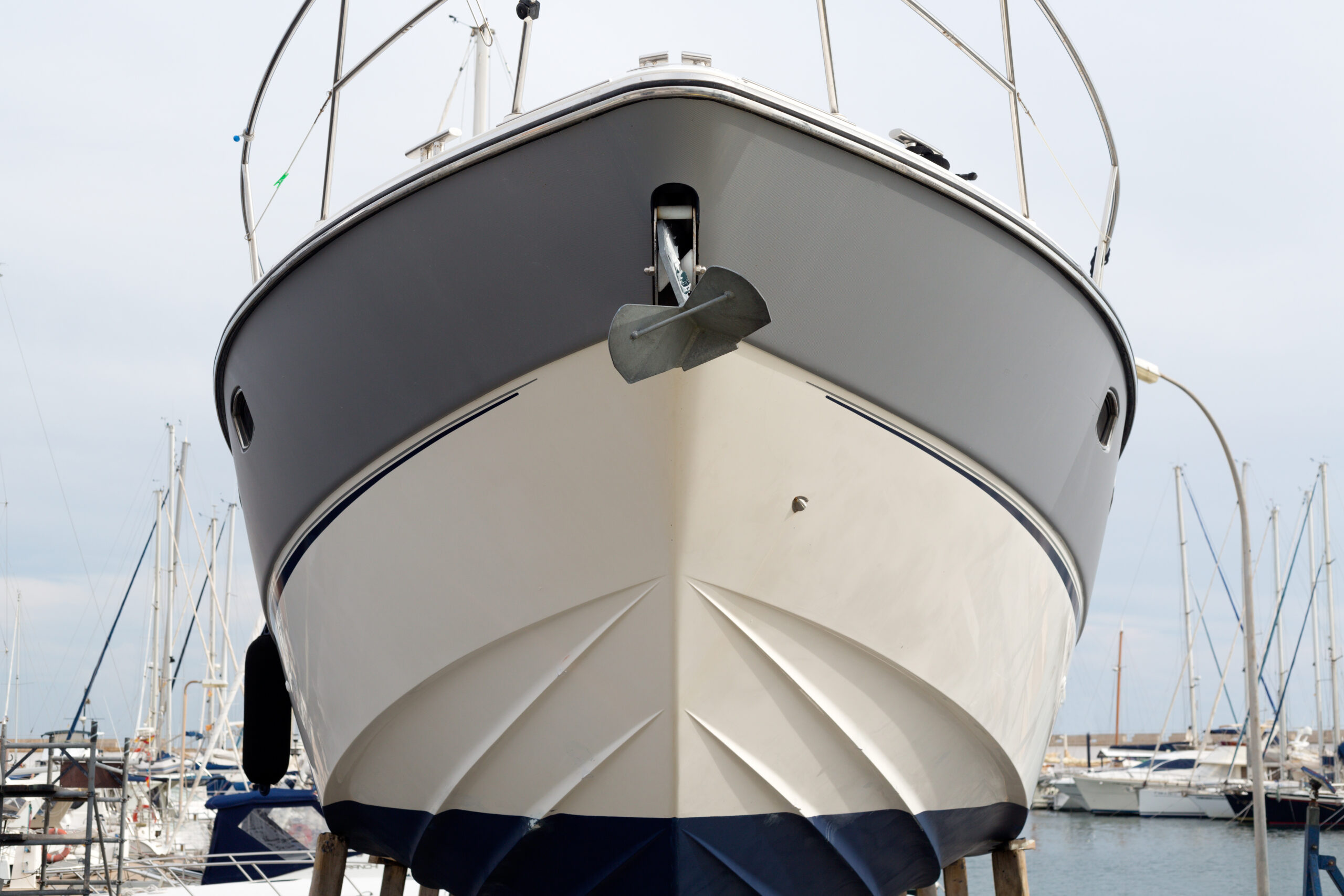
Saltwater is tough on boats, trailers, marine equipment and metal surfaces. Even when something looks strong on the outside, constant exposure to salt, moisture and humidity can slowly wear it down. Over time, this can lead to corrosion, surface damage and expensive repairs.
That is where marine coatings can make a real difference. A suitable protective coating creates a barrier between the surface and the harsh marine environment, giving boats and equipment a better chance of withstanding saltwater exposure.
Why Saltwater Causes So Much Damage
Saltwater speeds up corrosion because it helps moisture and oxygen react with metal surfaces. Once corrosion starts, it can spread through scratches, chips, seams and exposed edges.
This is common on boat trailers, marine tanks, decks, storage areas, ramps and equipment that regularly comes into contact with salt spray or wet conditions. Even surfaces that are not fully submerged can still be affected by salty air and moisture.
The tricky part is that corrosion does not always look serious at first. A small rust spot or blistered section of coating can be an early warning sign that the surface underneath is already exposed.
How Marine Coatings Help
Marine coatings are designed to protect surfaces used in harsh water-based environments. They can help reduce direct exposure to saltwater, moisture, chemicals and abrasion.
A good coating system can support saltwater corrosion protection by creating a tougher outer layer. This can help protect the surface underneath from rust, impact, chipping and general wear.
For boats and marine equipment, this protection is not just about appearance. It can help keep important surfaces in better condition and reduce the risk of damage becoming harder to manage later.
Where Marine Protective Coatings Are Used
Marine protective coatings can be used across a wide range of surfaces. This may include boat trailers, decks, hull areas, ramps, tanks, storage compartments, equipment, pontoons and industrial marine surfaces.
Some areas face constant impact from gear, ropes, tools or foot traffic. Others deal with standing water, spray, chemicals or mud. Each surface has different needs, so the coating should suit the way the area is actually used.
A boat trailer, for example, may need strong abrasion resistance because it is exposed to loading, unloading, saltwater and road grime. A deck surface may need protection against moisture, wear and regular cleaning.
Surface Preparation Matters
Even the best marine coating can fail if the surface is not prepared properly. Salt, rust, oil, old coating, dirt and moisture can all affect how well the new coating bonds.
Proper preparation may involve cleaning, removing loose material, treating corrosion and making sure the surface is ready before coating begins. It is not the most exciting part of the job, but it is one of the most important.
A well-prepared surface gives the coating a better chance of lasting and doing its job properly.
It Can Help Reduce Maintenance
Marine surfaces usually need regular care. Salt, moisture and outdoor exposure are simply part of the environment. Protective coatings do not remove the need for maintenance, but they can make surfaces easier to manage.
A coated surface may be easier to clean and less likely to hold grime in damaged areas. It can also help slow down the kind of wear that leads to rust, peeling or early surface breakdown.
For boats, trailers and marine equipment that are used often, this can make a noticeable difference over time.
Choosing the Right Coating for the Job
Not every marine coating is suited to every surface. The right option depends on what the surface is made from, whether it is submerged or exposed to spray, how much impact it receives and how often it is used.
Some coatings are chosen for corrosion resistance. Others are used for abrasion resistance, chemical resistance or general waterproofing. In many cases, the best result comes from matching the coating system to the real conditions the surface will face.
That is why marine coating work should start with a proper look at the surface, the environment and the level of protection needed.
Final Thoughts
Saltwater can be harsh, especially on surfaces that are used often or left exposed to the elements. Small chips, scratches and rust spots can become bigger problems if they are not managed early.
Marine coatings help protect boats, trailers and marine equipment from saltwater corrosion, moisture, abrasion and everyday wear. With the right surface preparation and coating choice, marine surfaces can be better protected for regular use in tough conditions.
Melbourne Extreme Coatings provides protective coating solutions for marine, automotive and industrial surfaces across Melbourne. Their work focuses on durable coatings that help protect equipment and surfaces from demanding environments.