

Trailer wear usually develops where tools, equipment, cargo and debris repeatedly come into contact with the same surfaces.
For businesses and owners looking into trailer protective coating services in Melbourne, understanding the cause of that wear is a useful first step. A trailer used daily for trade work can face very different conditions from one that only carries occasional recreational loads.
Floors, loading edges, corners and side panels often show the first signs. The important question is not simply how old the trailer is, but how it is used and which areas are doing most of the work.
Daily Use Often Matters More Than Trailer Age
A relatively new trailer can show significant surface wear if it is used heavily.
Tradespeople, landscapers, contractors and other commercial operators may load and unload their trailers several times in a single day. Tools, timber, machinery and building materials repeatedly come into contact with the same parts of the tray.
An older trailer used only occasionally may experience far less of this contact.
This is why age alone is not a reliable guide to surface condition. Frequency of use, cargo type, and loading habits often indicate where deterioration is likely to occur.
Loading Areas Usually Show Damage First
The parts of a trailer used during loading and unloading tend to wear before less-exposed areas.
The rear edge is a common example. Equipment may be lifted across it, timber may be dragged over it, and heavy objects may rest against it while being moved.
The same pattern can appear alongside panels and around corners.
Over time, repeated contact can mark or wear through the existing finish. Once those high-use areas begin to deteriorate, they are worth monitoring rather than waiting until damage spreads across a larger section.
Loose Debris Can Increase Abrasion
Sand, soil and small fragments can create additional wear when they become trapped beneath a load.
A trailer floor may appear reasonably clean while still holding fine grit from a worksite, garden or unsealed road. Once the equipment is placed on top, movement during transport can rub those particles against the surface.
The effect is gradual.
Instead of a single obvious impact, the finish can become increasingly scratched or worn in the areas where cargo moves most often.
Regularly cleaning the trailer helps remove debris, but it cannot eliminate the mechanical contact that comes with everyday use.
Different Loads Create Different Wear Patterns
The material being carried has a major influence on where and how a trailer deteriorates.
A builder carrying power tools and timber may see marks around loading points and the floor. Landscaping equipment can introduce soil, moisture and heavier abrasion. Machinery may create concentrated pressure where wheels or stands contact the surface.
Mixed-use trailers can experience several of these conditions at once.
This is why surface protection should be considered in relation to the trailer’s actual workload. Two trailers of the same size and age may need very different levels of protection depending on what they carry.
Moisture Matters More Once the Existing Finish Is Compromised
Water becomes more of a concern when scratches and worn areas expose the underlying material.
Rain is the only source. Wet equipment, mud, washing and damp materials can all introduce moisture during normal use.
An intact surface finish provides a barrier between that moisture and the underlying material. Once sections are chipped or worn through, exposed metal can become more vulnerable.
Corners, seams and other areas where water or dirt tends to collect deserve particular attention because they may take longer to dry.
Trailer maintenance, therefore, involves more than keeping the surface clean. It also means watching for damage that has broken through the existing protective layer.
Small Damage Can Reveal a Larger Wear Pattern
A few isolated scratches are not always the main problem.
What matters is whether they keep appearing in the same place.
Repeated marks along one loading edge, worn paint beneath a toolbox or exposed sections where machinery sits can show that the trailer has developed a consistent pattern of use.
That information is useful because it identifies where additional protection may provide the most value.
Rather than treating every part of the trailer as though it experiences identical conditions, owners can focus on the areas that receive the most contact.
Surface Condition Should Be Checked Before Coating
A coating should be applied to a properly assessed and prepared surface.
Existing rust, unstable paint, contamination, and prior repairs can all affect the scope of work before a new protective system is installed.
A relatively new trailer may only show minor surface wear. An older work trailer may require more preparation before it is suitable.
The purpose of that assessment is not simply to make the surface look cleaner. It creates the foundation that the coating needs to perform as intended.
Professional preparation is therefore an important part of any trailer-coating project, particularly when the surface has already undergone years of use.
Protection Can Be Considered Before Heavy Wear Appears
You do not necessarily need to wait until a trailer looks badly worn before thinking about additional protection.
A new trailer that is about to enter demanding daily use may benefit from an early assessment. The same applies to an existing trailer that is still in sound condition but is beginning to show predictable wear around its loading areas.
This is different from trying to restore a heavily deteriorated surface after the damage has already developed.
The most useful timing depends on how often the trailer is used, what it carries, where it is stored and the condition of the current finish.
Those factors provide a more practical guide than age alone.
Protective Coatings Are Most Useful When Matched to the Work
A suitable coating should reflect the demands placed on the trailer rather than being selected on appearance alone.
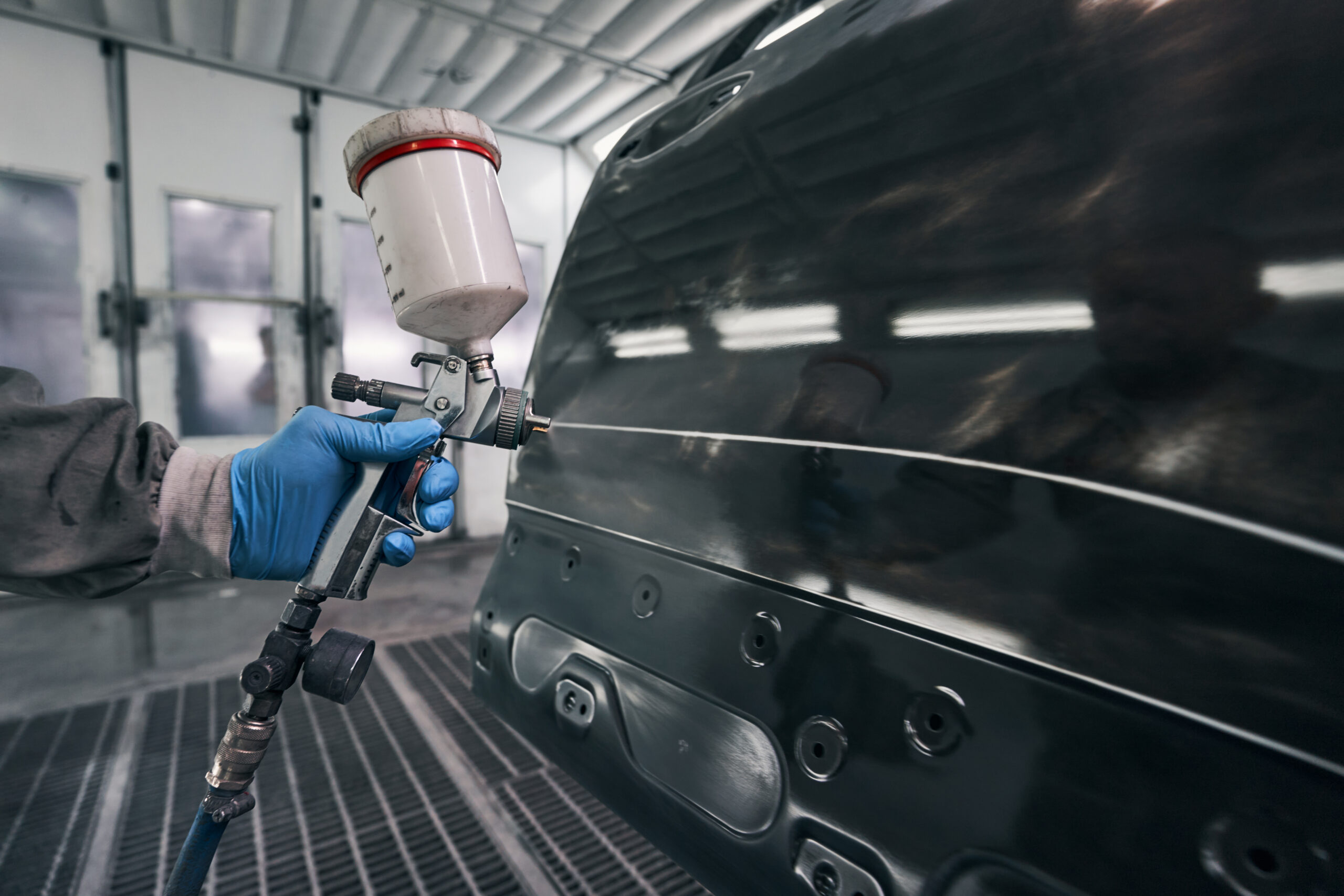
Work trailers can experience abrasion, impacts, moisture, and repeated cargo movement. A spray-applied system may be appropriate where a durable, continuous surface is needed across frequently used areas.
Melbourne Extreme Coatings provides protective coating solutions for trailers, UTE trays, and other working vehicle surfaces. Systems such as X GUARD can be considered where the trailer and its intended use are suitable for that type of application.
The best starting point is to look at how the trailer is actually being used. Frequent wear in the same areas, exposed sections and demanding cargo are all signs that the existing finish may need more than routine maintenance.
For information about available applications, preparation and coating options, visit the trailer protective coating services page.